Why the Same Movie Is Listed With Different Ratings and Running Times Across Multiple Platforms
Have you ever settled in to watch a classic film on a streaming service, only to notice something strange about its technical specifications? You might remember the movie running over two hours in theaters, but the platform lists it at 115 minutes. Or perhaps a film you distinctly remember being rated R in cinemas suddenly displays a TV-14 or 15+ rating on your home screen. In some cases, the visual frame fills your entire widescreen television, whereas on another service, the image is sandwiched between thick black bars at the top and bottom.
These technical discrepancies are rarely mistakes made by digital catalog managers. Instead, they are governed by the complex mechanics of international film distribution, regional censorship jurisdictions, and broadcast engineering standards. Understanding why platforms host differing versions of the exact same movie allows you to verify whether you are watching the director's original vision or a heavily modified broadcast cut.
Rating discrepancies: The jurisdiction of regional censor boards and uncut editions
The age rating displayed on a movie's title page is not a global constant. Content ratings are enforced by territorial classification boards, each operating under distinct cultural, political, and legal standards.
When a film is released digitally, it must be evaluated by the local classification authority of the country where the server operates. For example, a film rated R by the Motion Picture Association (MPAA) in the United States may receive a 15 rating from the British Board of Film Classification (BBFC) in the UK, a 16+ rating from the Korea Media Rating Board (KMRB), or an FSK 16 rating in Germany. Consequently, if a global platform serves you a European or Asian regional catalog, the age badge will shift to reflect local laws.
Furthermore, streaming services frequently license different cuts of a film. A platform might acquire the rights to the sanitized "theatrical cut," an unrated "extended edition," or a heavily edited "television broadcast cut" where explicit violence, language, or nudity has been trimmed. Each of these distinct cuts undergoes a separate rating process, resulting in conflicting age badges for the same underlying title.
Runtime anomalies: The math behind PAL speedup, cuts, and credit padding
Runtime mismatches are among the most confusing issues for film enthusiasts. A movie listed as 100 minutes on a Blu-ray box set might appear as 96 minutes on a European streaming platform. While viewers often suspect censorship, the true cause is frequently a mathematical quirk of frame rate conversion.
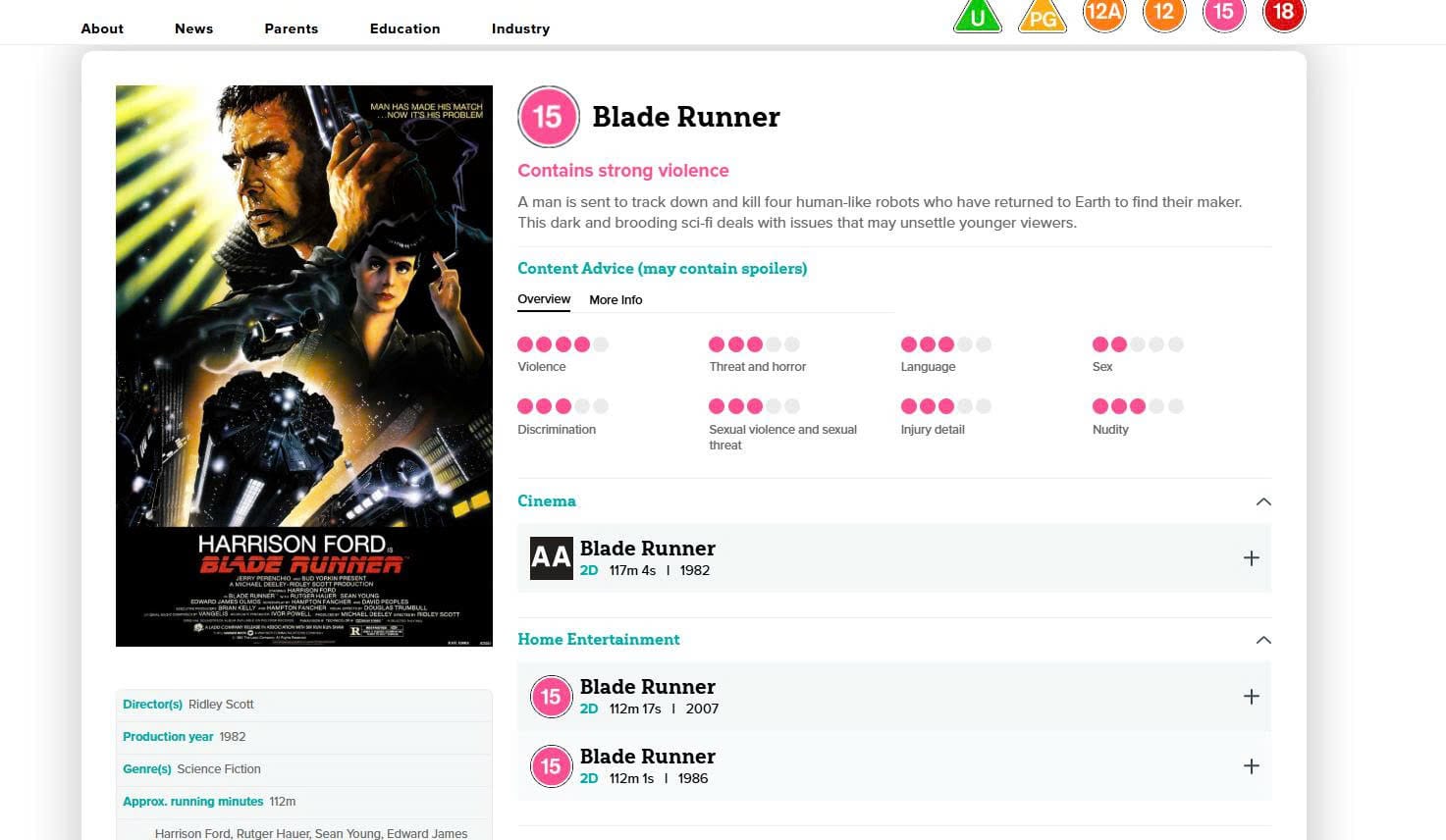
The 4% PAL speedup effect (24fps vs. 25fps conversion)
Traditional cinema is filmed and projected at a speed of 24 frames per second (fps). However, European and international television broadcasting standards (historically known as PAL or SECAM) operate at 25 frames per second.
When a 24fps theatrical film master is digitized for a 25fps European broadcast format, the digital transfer speeds up the playback by exactly 4.16% to maintain pitch and frame synchronization. This means every second of the film plays slightly faster. As a result, a 100-minute feature film is shortened to roughly 96 minutes. Not a single scene, frame, or line of dialogue is cut—the film simply runs 4% faster. If a European streaming master is served globally, this runtime discrepancy persists.
Credit sequences, intermission breaks, and trailer padding
Another reason runtimes fluctuate across digital platforms is how video players calculate total media duration. Some platforms calculate runtime strictly from the first frame of the studio logo to the final frame of the end credits.
Other services append pre-roll trailers, localized dubbing credits, promotional bumpers, or historical intermission breaks directly into the primary video file. Conversely, certain platforms clip lengthy end-credit sequences to encourage immediate auto-playing of the next title. These operational formatting choices can alter the listed runtime by several minutes.
Visual and audio alterations: Pan-and-scan cropping vs. multi-channel audio
Beyond runtimes and age ratings, the visual composition and acoustic presentation of a film can vary dramatically between streaming providers.
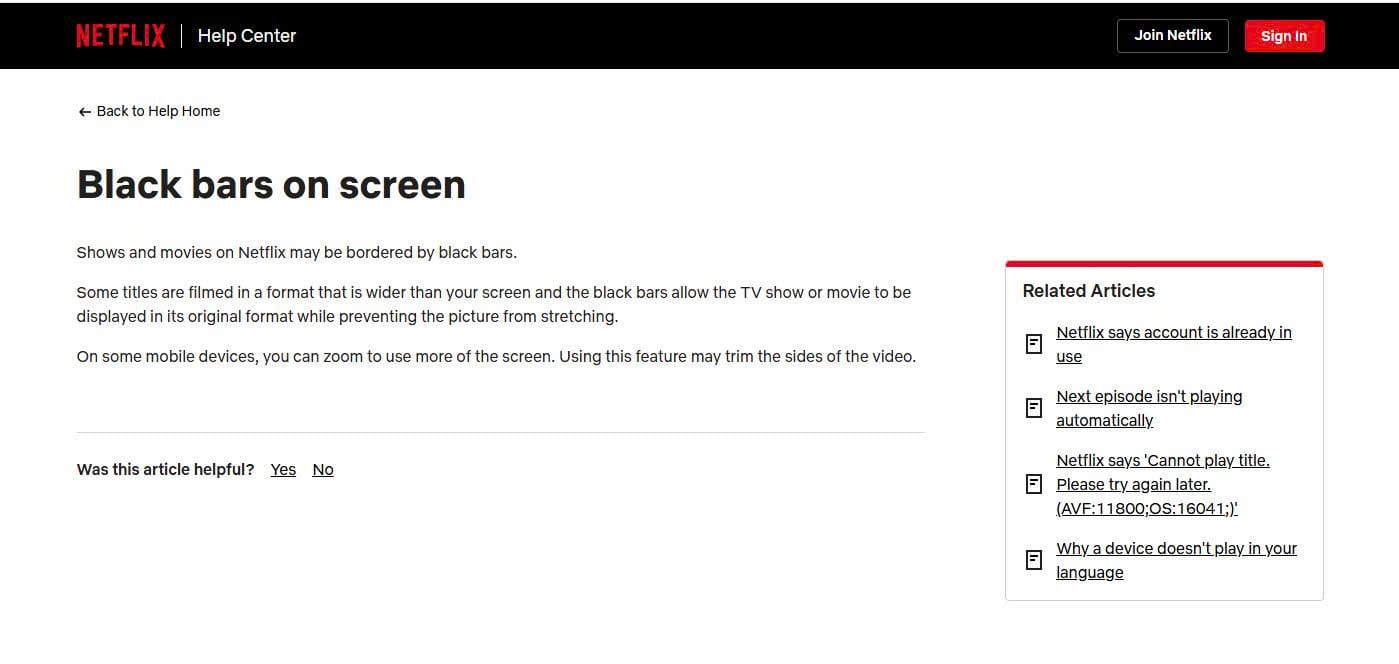
Directors shoot widescreen feature films in ultra-wide formats, commonly utilizing the Original Aspect Ratio (OAR) of 2.35:1 or 2.39:1. When displayed on a standard 16:9 (1.78:1) widescreen television, an OAR presentation creates horizontal black bars at the top and bottom of the screen (known as "letterboxing").
To eliminate these black bars for casual viewers, some streaming platforms license reformatted versions that crop or stretch the image to fill the 16:9 frame—a technique known as "Pan and Scan" or "Open Matte." While this fills your TV screen, it crops out up to 25% of the original visual picture, slicing off critical composition details intended by the director and cinematographer.
Acoustic presentation suffers similar licensing fragmentation. A platform paying for a premium audio license will stream the film in multi-channel Dolby Atmos or 5.1 Surround Sound, whereas a budget service may fallback to a compressed 2.0 Stereo track.
Diagnostic checklist for verifying the authoritative movie cut
To confirm whether you are streaming the definitive, uncompromised version of a film, utilize this diagnostic inspection process before pressing play:
- Cross-reference official studio master specs: Search the film on technical databases like IMDb or Blu-ray.com. Compare the listed theatrical runtime and Original Aspect Ratio (OAR) against the streaming platform's title page details.
- Identify the rating board code: Look at the small text beneath the age badge. A code citing "BBFC 15" or "FSK 16" confirms you are viewing a European localized catalog entry, which explains any potential 4% PAL runtime reduction.
- Inspect letterboxing for aspect ratio integrity: Ensure the film displays black bars at the top and bottom if it was originally shot in 2.35:1 or 2.39:1. If a wide-angle film completely fills your 16:9 TV screen without letterboxing, the image has likely been cropped.
Frequently asked questions about streaming film variations
Is a shorter runtime on a European streaming platform always a sign of censorship?
No. In most cases, a 4% shorter runtime on European or PAL-formatted streams is caused by the 24fps to 25fps frame rate conversion speedup, not censorship. Content censorship typically results in abrupt scene transitions or noticeable audio mutes.
Why does a movie have black bars on one platform but fills the entire screen on another?
This occurs because one platform is preserving the Original Aspect Ratio (OAR) via letterboxing, while the other platform is streaming a cropped 16:9 reformatted version that cuts off the sides of the original camera frame.
Which runtime source is the most reliable baseline to trust?
The most accurate baseline runtime is found on official studio Blu-ray/4K UHD physical releases or verified theatrical master logs listed on databases like IMDb Technical Specs.